A living atlas of Chinese musical culture
Traditional Chinese Instruments
A knowledge atlas of the instruments of Chinese music — how each one is built, how it sounds, how it is played, and how it connects to techniques, traditions and theory. Every entry cites its sources.
伯牙善鼓琴,鍾子期善聽。
"Boya was good at playing the qin; Zhong Ziqi was good at listening."
The line is usually remembered for the player. The half that matters here is the second one: someone understood. That is what this site is for - and the same story, told in the Lüshi Chunqiu, goes further still: when Zhong Ziqi died, Boya broke his qin and never played again.
Discover the instruments
All instruments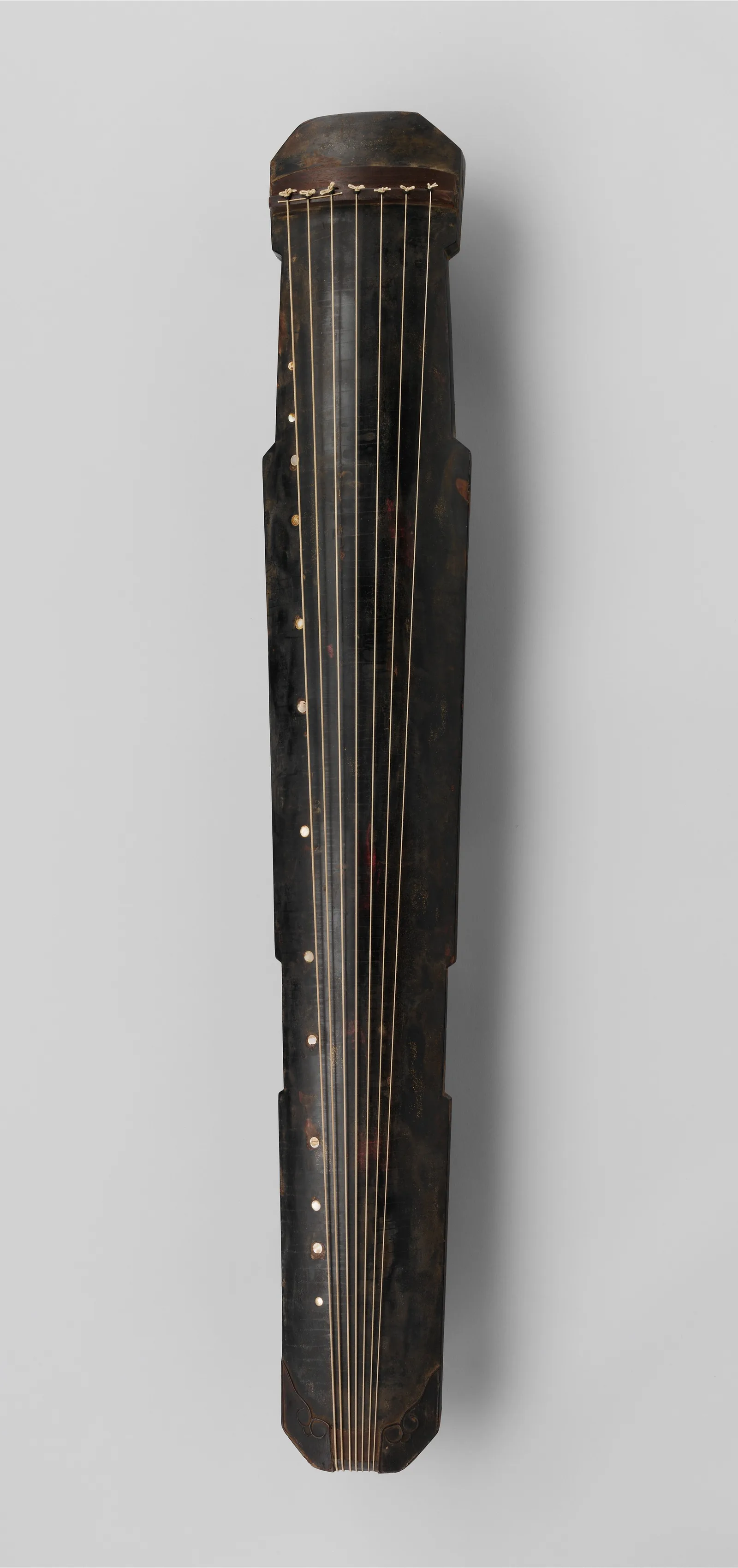
Guqin古琴
A seven-stringed Chinese zither, plucked with the right hand while the left hand stops the strings or touches them to sound harmonics.
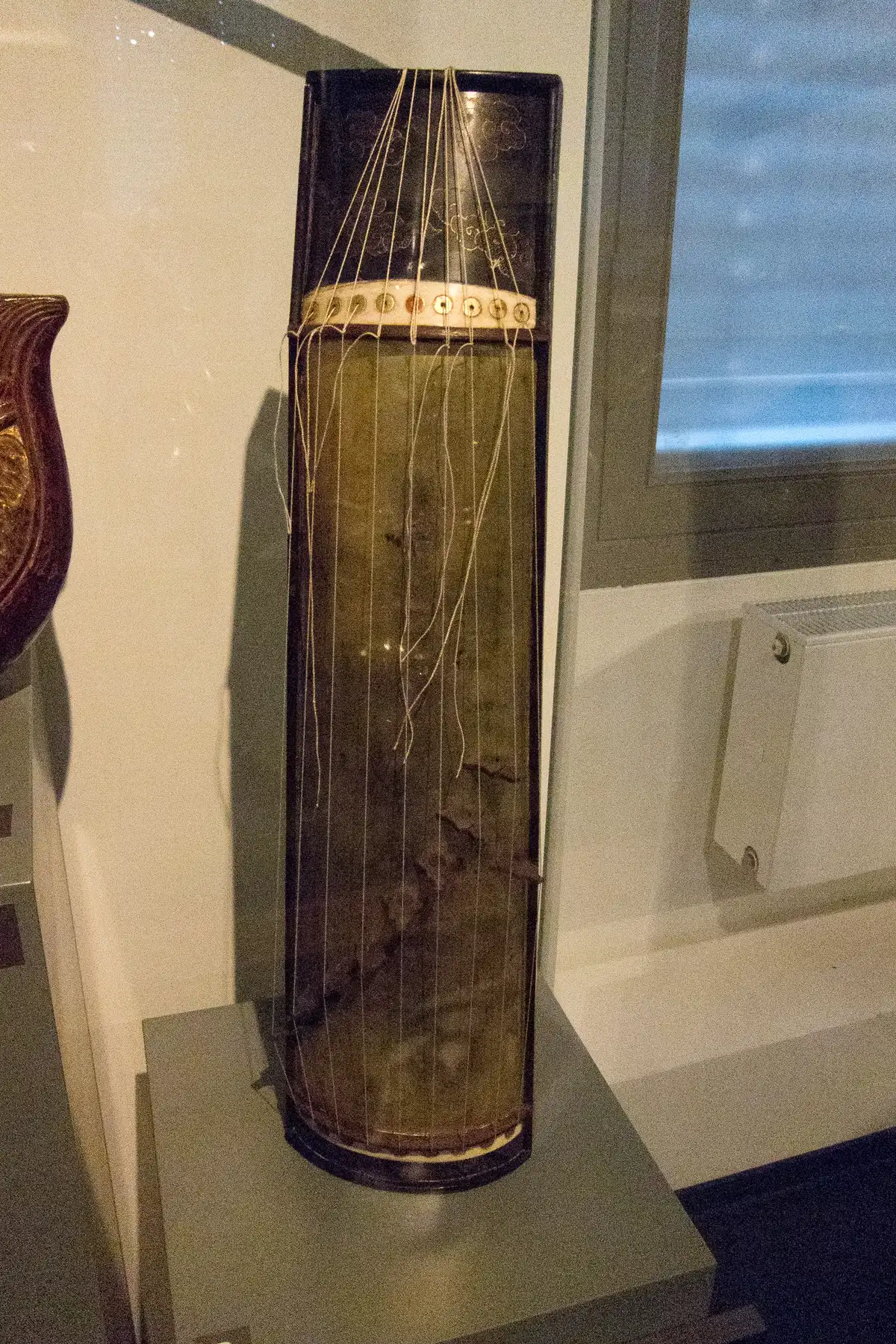 Guzheng古筝A long plucked Chinese zither with metal strings tuned by pegs on the top board, used for home entertainment, folk music and court ensembles.
 Pipa琵琶A pear-shaped Chinese lute, plucked and fretted, heard in opera and storytelling ensembles and in a virtuosic solo repertory.
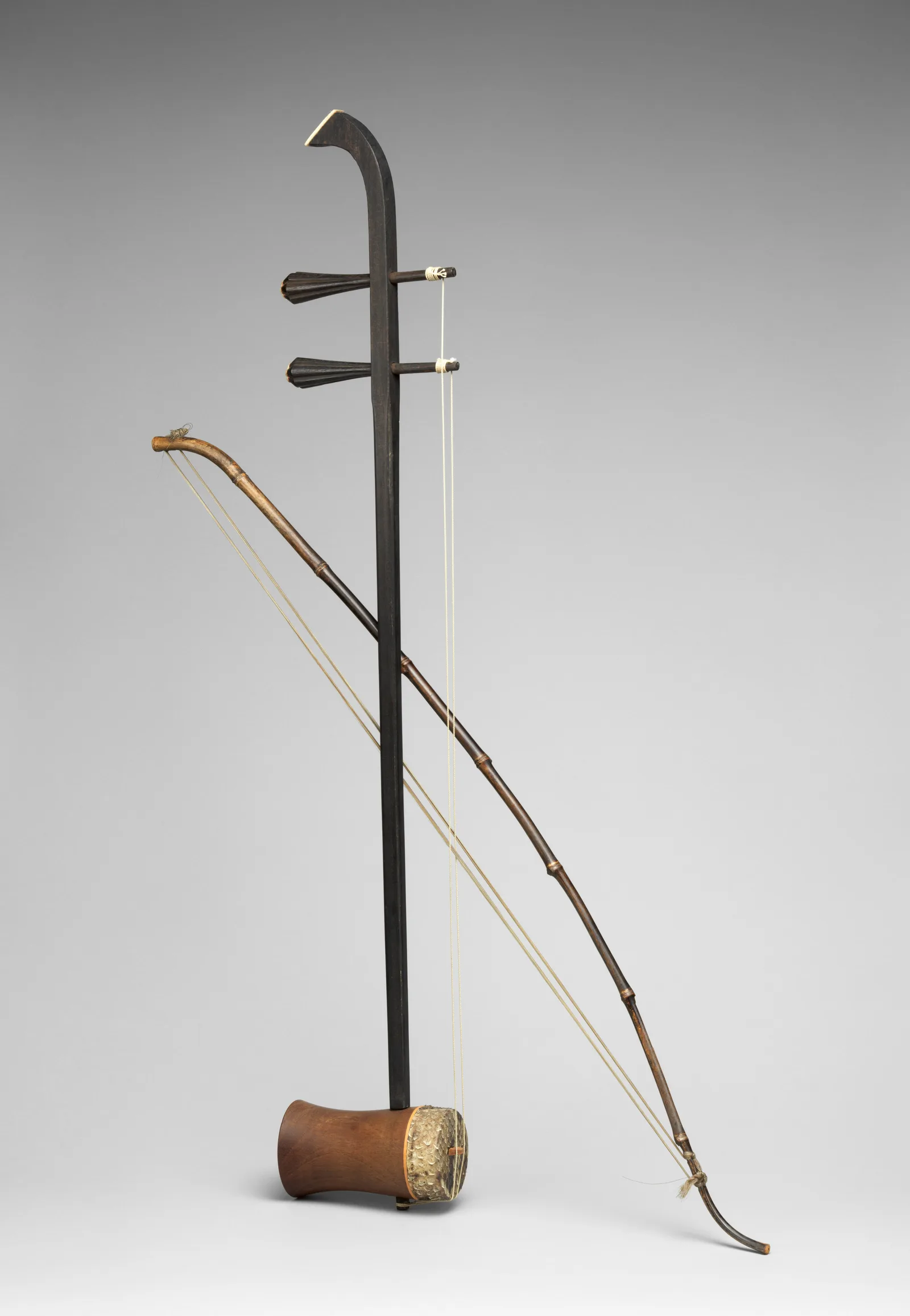 Erhu二胡A two-stringed Chinese bowed fiddle, held vertically and played with the bow hair passing between the strings.
Every entry links outward. What the Guqin connects to:
- Played with
- Open-string notes (san), Stopped-string notes (an), Harmonics (fan yin)
- Culture
- Literati Qin Culture
- Related
- Guzheng
Explore instruments by family
All instrumentsChinese instruments are usually grouped by how the sound is made. This is the grouping this atlas uses to get you oriented — different sources divide the material differently.
- Wind Instruments吹管乐器Not yet covered. Examples: Dizi, xiao, sheng and suona0 entries
- Percussion Instruments打击乐器Not yet covered. Examples: Drums, gongs and bianzhong0 entries
Music in living culture
The genresChinese music is not only a list of instruments. It is sung, staged, narrated and danced - and each of those settings has its own tradition.
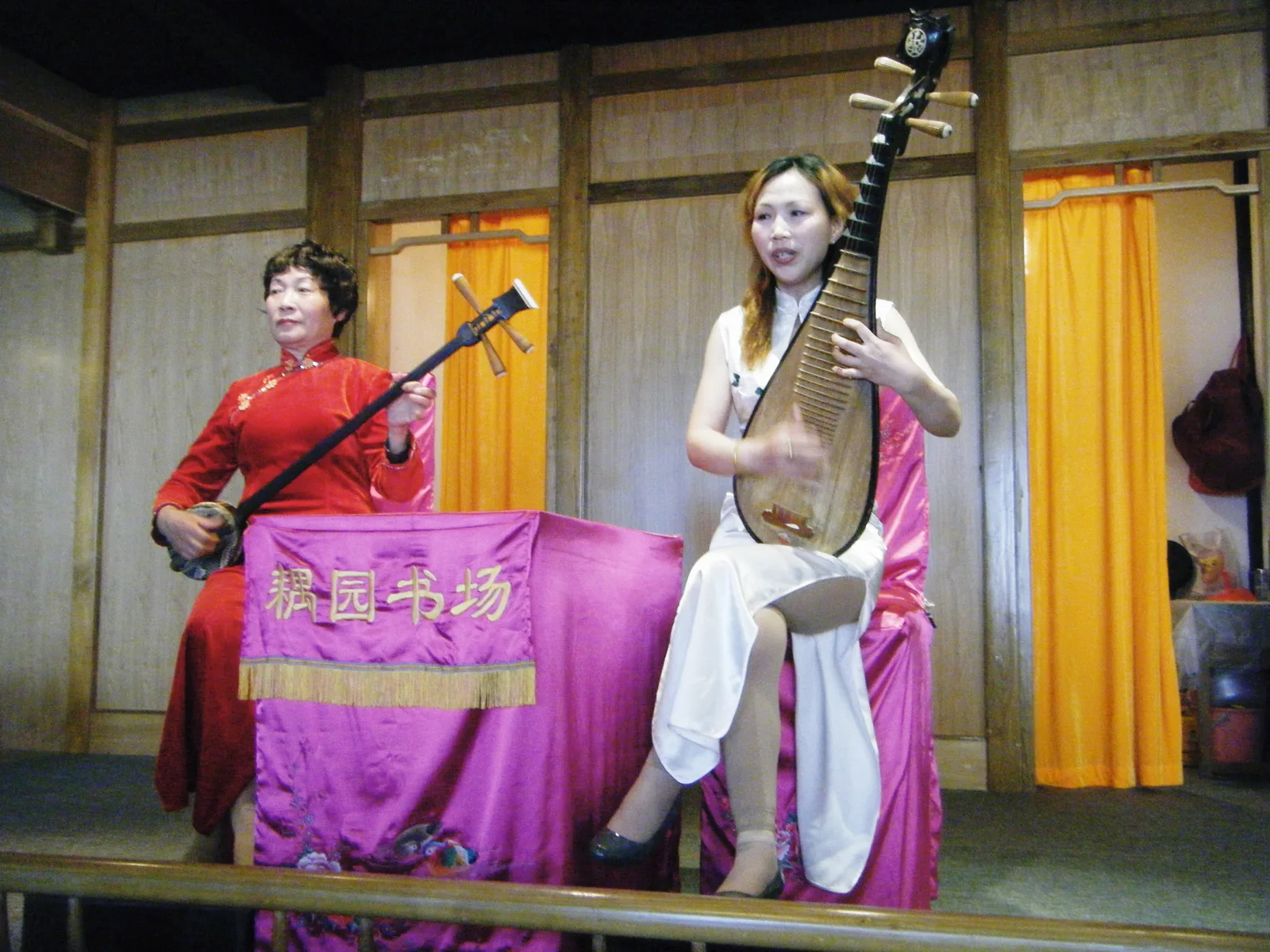



These photographs show related practices; they are illustrative, not evidence for any statement about a genre.
Ideas behind the sound
Ideas & conceptsUnderneath the instruments are the ideas that organise the music - how pitch is chosen, and how a single string can be made to sound in three different ways.
Pentatonic scale (five tones)
- 宫Gongdo
- 商Shangre
- 角Juemi
- 徵Zhisol
- 羽Yula
Three ways to sound a string
- Stopped-string notes (an)按音Notes produced when the left hand presses a guqin string down onto the soundboard, shortening the vibrating length and changing the pitch.
- Harmonics (fan yin)泛音Bell-like notes produced on the guqin by lightly touching a string at a nodal point while the right hand plucks it.
- Open-string notes (san)散音Notes produced on the guqin by plucking a string that the left hand does not stop, giving the instrument's deep, resonant low register.
And behind the technique, a culture: Literati Qin Culture.
Listen more closely
All music tools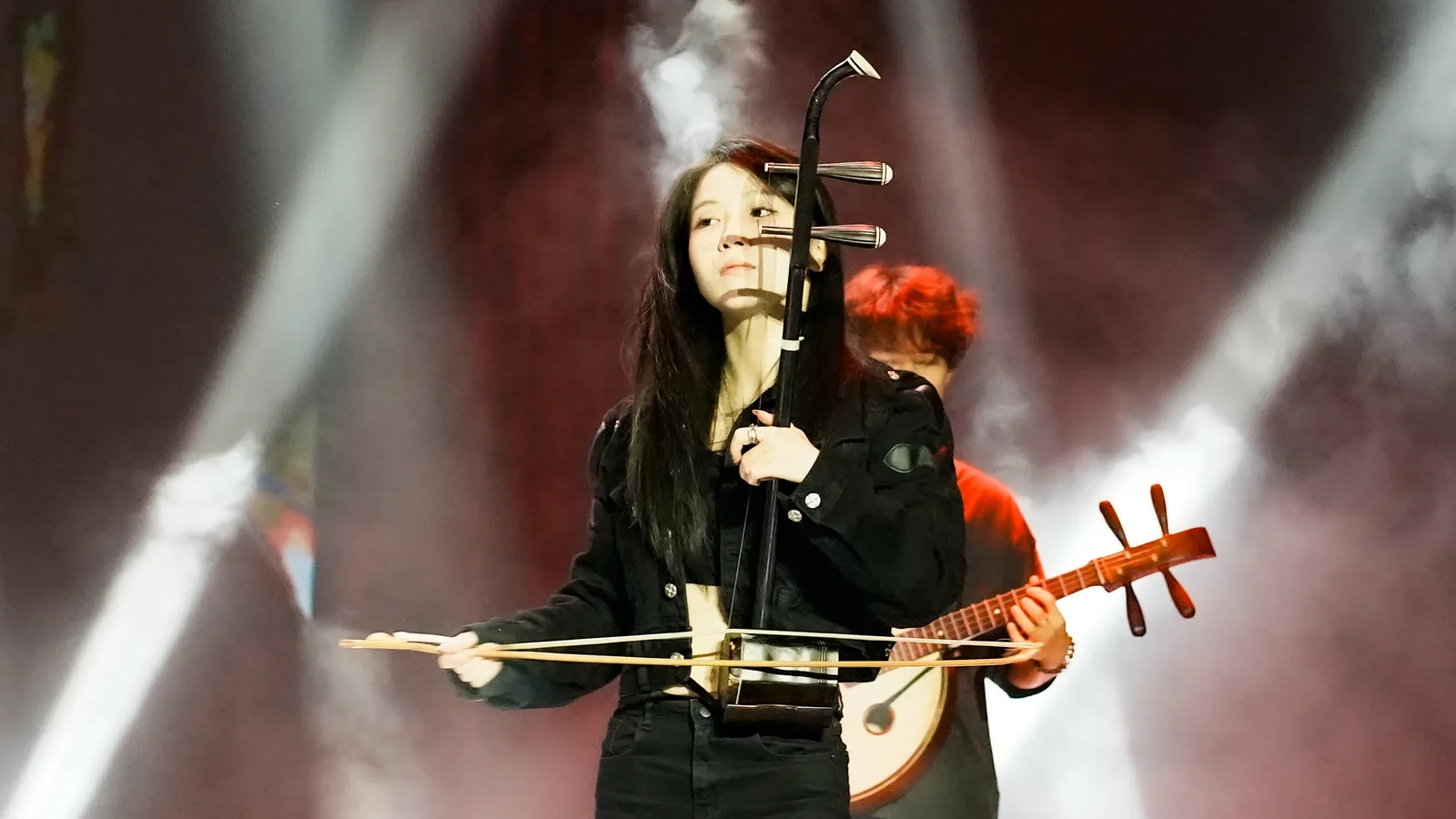
Continue exploring
The knowledge map- InstrumentsWhat is making that sound? Entries explain the structure, sound and playing of traditional Chinese instruments.4 entries →
- Ideas & ConceptsHow is the sound produced, and how is pitch organised? Entries cover playing techniques and the concepts behind them.4 entries →
- Music in CultureMusic in context: where it was played, by whom, and what it meant.1 entry →
- ListeningPieces, recordings and what to listen for. Entries will link pieces to the instruments and techniques that shape them.0 entries →
Where the answers come from
The site draws on 9 institutional sources - including UNESCO and the Metropolitan Museum of Art - for 9 knowledge entries and 5 explained relationships. Each source lists the specific claims it supports.